Why sell your home through us?
Selling a property during a divorce should not add stress. We make it fast, certain and human.
A fair offer, fast
You get an honest, no-obligation offer on your home, often within a few days.
No agent, no viewings
No agency fees, no open days and no uncertainty about when your house will sell.
You choose the timing
Sell quickly or take a little more time? You decide when the sale is done.
Discreet and human
A divorce is sensitive. Everything is handled discreetly and with respect for your situation.
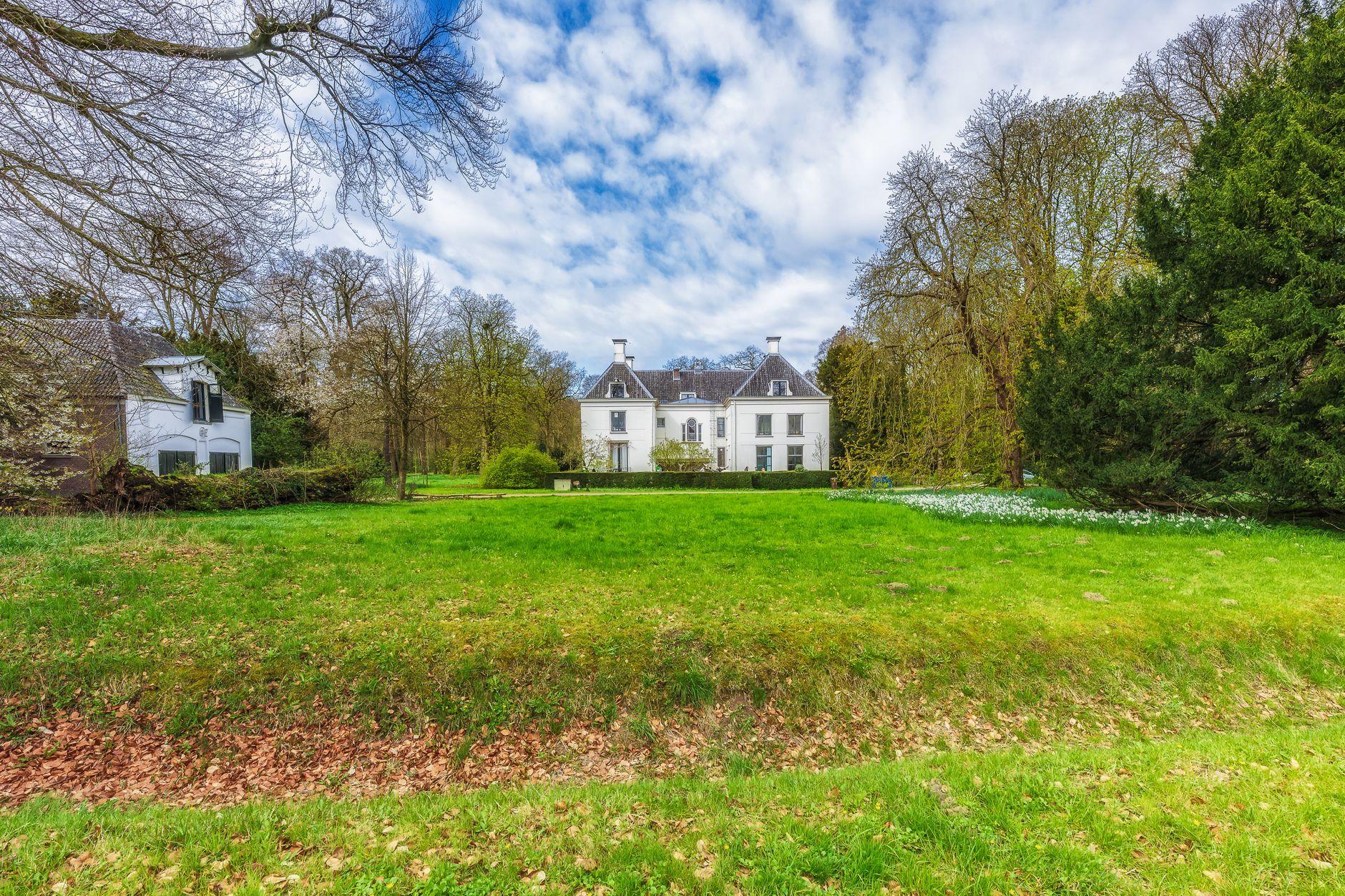
A divorce turns everything upside down. The shared home is often the biggest asset, and the question 'do we sell the house or does one of us buy the other out?' comes up sooner or later. If you choose a direct sale, you mainly want quick clarity and an end to the uncertainty. In this guide, we explain exactly what direct selling means, what routes are available, and what to look out for when making a decision together with your ex-partner.
Direct selling means you sell the property without the intermediate step of a traditional estate agent and without months of uncertainty. You opt for a fast, clear transaction, often with a fixed property buyer who purchases the home as it is. That is a conscious choice: you trade a potentially higher sale price for speed, certainty and less paperwork.
In a divorce, that speed often plays a big role. As long as the house is not sold, you remain financially tied to each other. The mortgage keeps running, so do the energy costs, and every month of delay can cause tension. A direct sale can cut that knot, so you can both move on.
Before you decide on a direct sale, it is good to compare the three basic options side by side. Every situation is different, and what works for one couple does not suit another.
Option one is selling to a third party. That can be through an estate agent, but also directly to a property buyer. Option two is buying out: one of you takes over the home and pays the other their share. Option three is dividing, for example by gifting the property to a child or by making another arrangement. In a divorce with tensions or financial pressure, selling is often the most practical route, because it creates a clean break.
For more background on the choice between selling and buying out, read our guide on selling a house during a divorce.
A property buyer purchases homes directly, without an estate agent in between. You request an offer, the buyer comes to view the property and makes a proposal. If you accept, the sale can be completed within a few weeks. The home is usually bought in its current condition, so you do not need to renovate or fix anything up.
The big advantages: you quickly know where you stand, you have no estate agent fees, and you choose when to hand over the keys. The latter is valuable in a divorce, because you may still need some time to find a new place to live. A disadvantage is that the price is generally lower than in a traditional sale, because the buyer takes into account their own costs and margin.
Put that offer next to an estimate of your home and decide together whether it is right for you.
Selling a home during a divorce is not just a financial decision. It is also an emotional step. So try to agree on a few things clearly. Who manages the contacts with the buyer? Who takes care of the necessary documents, such as the EPC certificates or the electrical inspection report? And what happens to the proceeds?
Make sure all agreements are put in writing, even if you still get along well. A notary can help you with that. They will guide the deed of sale and ensure that the distribution of the proceeds is handled correctly. In a divorce, this is extra important, because other agreements often come into play as well, such as the custody arrangement for the children or the division of debts.
Unsure about the legal side? Then seek advice from a notary or a family law attorney. They know the rules in your region, because they differ between Flanders, Brussels and Wallonia.
A direct sale does not have to be chaotic. With a clear step-by-step plan, you keep an overview, even during an emotionally difficult period.
Step 1: make a decision together. Talk about the options and record whether you will sell, buy out or divide. Step 2: gather the documents. Think of the title deed, the EPC certificate, the electrical installation inspection report and information about the mortgage. Step 3: request one or more offers from property buyers. Compare them calmly, without pressure. Step 4: discuss the offer together and make a decision. Step 5: have the deed of sale drawn up by a notary and agree who pays and receives what.
Want to know first how a sale works in your region? Then check out our pages on selling a house during a divorce in Antwerp, Bruges or Hasselt.
How quickly can a direct sale be completed? That depends on the property buyer and on how quickly you can provide the documents. In practice, it can be done in a few weeks, but sometimes it takes longer if, for example, there is an ongoing mortgage that needs to be settled first.
Do we need to fix up the house first? No, with a direct sale to a property buyer, that is usually not necessary. The buyer purchases the home in its current condition. That saves time, money and stress.
Can we still sell if we have a mortgage? Yes, that is possible. The proceeds from the sale are then used to pay off the mortgage. What remains is divided according to your agreements. Discuss this carefully with the notary.
Check out our other guides or ask for free advice.